Free Starter Support Amps, Rule of 3 Comedy Attempts, and Critical Thinking Amps (caution: Randomly Generated)
Never Say Die!, Small changes do add up, The future has yet to be written, Possible has yet to be defined, Customer Experience and Quality can be Improved, Possible has yet to be defined, Possible is Power, Nsdtp! Never Say Die Throughput!, Never Say Die!, You will Prevail!, Past activation energy can be clear sailing, Past activation energy can be clear sailing, Initial conditions can mean a lot, Nsdtp! Never Say Die Throughput!, Possible is Power.
Small changes do add up, There is hope in a New Day, Small changes do add up, Encouragement Throughput has yet to be maximized, Others do not get to claim ground on what you can and cannot do, Initial conditions can mean a lot, You can do it!, Never Say Die!, Nsdtp! Never Say Die Throughput!, Small changes do add up, Don’t forget an extra bottle of water can change a lot, Small changes do add up, Encouragement Throughput has yet to be maximized, You will Prevail!, Initial conditions can mean a lot.
Protection of those that have been devalued and dehumanized by society, Child Car Safety, Improved International Relations, Protection of Haitians, Critical Thinking, Improved English Support, Protection of Taiwanese, Protection of Norwegians, Protection of Danish, Child Car Safety, Freedom of Speech, Protection of Indians, Problem Solving, Protection of Mongolians, Protection of Irish, Seat Belts, Protection of Palestinians, Protection of Norwegians, Protection of Fire Fighters, Improved Chemical Showers for Labs, Defensive Driving, Protection of Haitians, Geneva Convention, More Peace, Improved Architectural Blueprints
</p
Protection of Israelis, Protection of Ukrainians, Protection of Haitians, Protection of Sudanese, Protection of people displaced by conflict in DRC, Protection of Taiwanese, Protection of US and Israel Troops in Iran-Middle East Conflict, Protection of homeless in USA
Protection of Police Officers, Water Bottles, Improved Data Consistency, Diversity Training, Protection of Haitians, Water Desalination Plants, Protection of Kenyans, Reduced Villain Level Contrast Training, Protection of Hindus, Protection of Ukrainians, More Peacemaking, Critical Thinking, Protection of Veterans, Protection from Nuclear Threats, Protection of Danish, Protection of Indians, Focus, Throughput, Protection of French Citizens, Protection of Israelites, Protection of Kenyans, Focus, Protection of Malagasy people, Protection of Mongolians, Glass of Water
Improved Fire Codes, More Peace building, Protection of those that have been silenced, Protection of Rohingyas, Improved Hospitals, Protection of Ukrainians, Protection of Jews, Habitat for Humanity, Protection of Qatari Citizens, Protection of Congolese, Electrical Safety, Improved Data Quality, Protection of Construction Workers, Protection of Ethiopians, Reduced Villain Level Contrast Training, Improved Math Support, Criminal Defense Law, Throughput, Protection from Genocide, Protection of the Oppressed, Linguistics Training, Protection of the Mentally Ill, Protection of All People in All Countries, Protection of Italians, Protection of Japanese
Protection of Artists, Protection of Yemenis, Protection of Irish, Protection of Jews, Protection of Venezuelans, More Peacekeeping, Protection of Canadians, Protection of Agnostics, Improved Math Support, Protection of Construction Workers, Protection of Swedish, Protection of Widows, Less Burning Buildings, Improved Chemical Showers for Labs, Protection of Allies, Protection of Agnostics, Protection of Haitians, Improved Medical Research, Protection of French Citizens, Protection from Genocide, Glass of Water, Protection from Nuclear Threats, Protection of Chileans, Protection of those unable to Protect Themselves, Protection of United Kingdom Citizens
Protection of those that have been devalued and dehumanized by society, Protection of People in Space, Protection of the Disabled, Protection of Greek, Protection of Congolese, Protection of Brazilians, Rescue Blankets, Protection of Doctors, Protection of Diplomats, Protection from Chemical Threats, Disaster Risk Reduction, Reduced Villain Level Contrast Training, Protection of All People in All Countries, Protection of the Disabled, Protection of Politicians, Protection from Nuclear Threats, Improved Chemical Showers for Labs, Protection of Qatari Citizens, Protection of those that have been devalued and dehumanized by society, Protection of Hindus, Improved Hospitals, Protection of Taiwanese, Protection of Turkish, Protection of Greek, Protection of Pacific Islanders
Protection of Irish, Protection of Agnostics, Reduced Oppression, Protection of Rwandans, Defensive Driving, Protection of Children, Carbon Monoxide Detectors, Protection of Irish, Rescue Blankets, Protection of those that have been silenced, Improved Microscopes, Protection of those that have had their support robbed, Protection of United Kingdom Citizens, Reduced Miscommunication, Rescue Blankets, Protection of Agnostics, Protection of Spanish, Protection of those unable to Protect Themselves, Protection of Brazilians, Protection of US Citizens Worldwide, Disaster Risk Reduction, Reduced Miscommunication, Focus, Protection of Buddhists, Protection of Rohingyas
Protection of Venezuelans, Improved English Support, Protection of Buddhists, Protection of Mexicans, Protection of Ethiopians, Freedom of the Press, Improved Humanization, Protection of Swedish, Focus, Protection of United Kingdom Citizens, More Peacemaking, Protection from Pandemics, Protection of those that have had their support robbed, Protection of Fire Fighters, Teacher Appreciation, Teacher Training, Improved Chemical Showers for Labs, Protection of Nigerians, Protection of Australians, Improved Learning, Protection of Yemenis, Improved Fire Codes, Reduced Cognitive Biases Training, Child Car Safety, Electrical Safety
Protection of People in Antarctic Research Facilities, More Peacekeeping, Improved Battery Power, Throughput, Less Burning Buildings, Protection of Agnostics, Protection of Construction Workers, Protection of Mongolians, Protection of the Mentally Ill, Protection of the Elderly, Glass of Water, Improved Learning, Protection of South Koreans, Protection of Widows, Improved Data Consistency, Focus, Protection from Sexual Violence, Protection of Agnostics, Glass of Water, Protection of Italians, Protection of Greek, Improved Data Quality, Protection of Kenyans, Protection of Engineers, Protection of Irish
Improved Hospitals, Improved Hospitals, Freedom of the Press, Less Burning Buildings, Focus, Protection of Widows, Protection of the Persecuted, Protection from Antisemitism, More Peacemaking, Protection of Congolese, Protection of Christians, Time Management, Improved Fire Codes, Improved International Relations, Protection of the Disabled, More Peacemaking, Protection of Sudanese, Protection of those unable to Protect Themselves, Carbon Monoxide Detectors, Protection of Police Officers, Protection of Australians, Freedom of the Press, Protection of Doctors, Protection of Fire Fighters, Protection of the Oppressed
Protection from Antisemitism, Improved Architectural Blueprints, Protection of Artists, Protection of Colombians, Protection of Widows, Human Rights, Protection of Widows, Protection of Jamaicans, Protection of Fijians, Protection of Nigerians, Protection of Yemenis, Motorcycle Helmets, Reduced Cognitive Biases Training, Protection of Irish, Protection of those that have been silenced, Nonviolent Resistance, Protection of Pakistanis, Protection of the Persecuted, Protection of those that have been silenced, Protection of Venezuelans, Improved Magnify Studio, Protection of Pakistanis, Defensive Driving, Improved Network Throughput and Reach, Protection of Buddhists
Eat your vegetables, Always be safe in the lab, Hug a kitten
Do the dishes, Go pick up some important documents from work, The prettiest flowers have the most leaves
Always be safe in the lab, Always be safe in the lab, you hug the lovable dictator
Do the dishes, Eat your vegetables, you hug the lovable dictator
Eat your vegetables, Clean your room, you hug the lovable dictator
Do the dishes, Do the dishes, Hug a kitten
Clean your room, Clean your room, you hug the lovable dictator
Clean your room, Go pick up some important documents from work, Hug a kitten
Do the dishes, Go pick up some important documents from work, The prettiest flowers have the most leaves
Always be safe in the lab, Clean your room, The prettiest flowers have the most leaves
Speed of Electricity (Not the speed of light), Law, Valence, Fries, Exponential, Teams, Rain, Gravity, Irreversible Process, Projections, Linear, Equivocation, Terraforming, Soda, Latency, Equal and Opposite Forces, Forms – Aristotle, Equality, Pestilence, Communism, Riddles, Carbon Dioxide, Discouragement, Plumbs, Scientific Method
Projections, Inadequate Support, Reaction Time, Inadequate Support, Inequality, Carbon, Probabilities, Entropy, Morally Right, Don’t push against a brick wall, Atom, Harder to divest, Fries, Obfuscated Truth, Neutron, Dyson Sphere, Communicated Effectively, Thermodynamics, Hope, Real Change, False Dichotomy, Disaster Risk Reduction, Communicated Effectively, Insulation, Adequate Support
Customer Service, Context Clues, Rain, Seashells, Momentum, Categorize and Classify, Projections, Reducing Child Labor, Momentum, Availability, Variance, Symbolism, Encouragement, Magnetism, Comprehension, Scale, Context Clues, Fault Tolerance, Gross Domestic Product, Wind Power, Proton, Surface Area, Geothermal Power, Microeconomics, Fuses
Induction, Ethics, Lift, Metaphors, Electron, Hypotheticals, Morally Wrong, Public Relations, Frame of Reference, Customer Service, Oranges, Low Pressure, Socialism, Plumbs, Hydroelectric Power, Subset Profits from Systemic Changes and Additions, Gear, The Problem of Evil, Lift, Puns, Watts, Power Efficiency, Irrational, Perception, Schrodinger’s Cat
Puzzles, Capitalism, Defense Law, Lab Safety, Entropy, The Problem of Evil, Pattern Matching, Solar Power, Osmosis, Research Ethics, Frame of Reference, Delayed Right Choice, Positive Momentum, Resistance, Pestilence, Precedent, Speed of Sound, Greed, Surface Area, Respect, Resources, Interesting, Puns, Metaphors, Trajectories
Cake, “I think therefore I am” – Rene Descartes, Force, Irrational, Hope, Reversive Process, Law, Useful Twists, Teams, Terraforming, Villain Level Contrast Victims, Research Ethics, Allegory, Discouragement, Health Care, Flags, Historic Context, Gross Domestic Product, Compressive Forces, Cover, Shortest Path, Orbits, Carbon Dioxide, Availability, Coconut
Fault Tolerance, Shortest Path, Geothermal Power, Irrational, Cheesecake, Unreasonable, Distrust, Weak Hypothesis, Oxygen, Motion, Acronyms, Rate of Change, Encouragement, Distrust, Distrust, Carbon Dioxide, Flags, Drilling Water Wells, Mosquitos, Shape, Bagels, Harder to divest, Challenged in Positive Direction, Low Pressure, Impossible
Acceleration, Atmosphere, Joules, Truth as Relative, Shear Strength, Slippery Slope, Resistance, Red Herring, Fuel, Frame of Reference, Public Relations, Feedback Respected, Buy In, Atom, Puns, Tube Amps, Atom, Validation, Acronyms, Inequality, Frame of Reference, Small Contributions Appreciated, Variety, Fuel, Trust
Risk Mitigation Strategies, Sales, 4th Dimension, Reversive Process, Induction, Adequate Support, Hurricane, Equivocation, Apples, Encouragement, Anxiety, Disaster Risk Reduction, Cover, Variance, Mangos, Pressure, Time, Availability, Lift, Conductivity, Tube Amps, Flags, Charming, Tornado, Lever
Comprehension, Expert, Mangos, Slippery Slope, Fries, Feedback Respected, “Allegory of the Cave” – Plato, Power Efficiency, Narrative Control, Morally Wrong, Reversive Process, Delayed Right Choice, Socialism, Bagels, Nitrogen, Scale, Water, Equal and Opposite Forces, Induction, Blizzard, Puzzles, Reasonable, Superposition, Perception, Interpolation
Free Starter Story Outline (caution: Randomly Generated)
Random THEME – Oppression is wrong
Random PLOT – Overcoming the Monster
Metaphor Personification Metaphor Symbolism Symbolism Flashback Imagery Imagery Flashback Allegory
Random Villain Martial Law
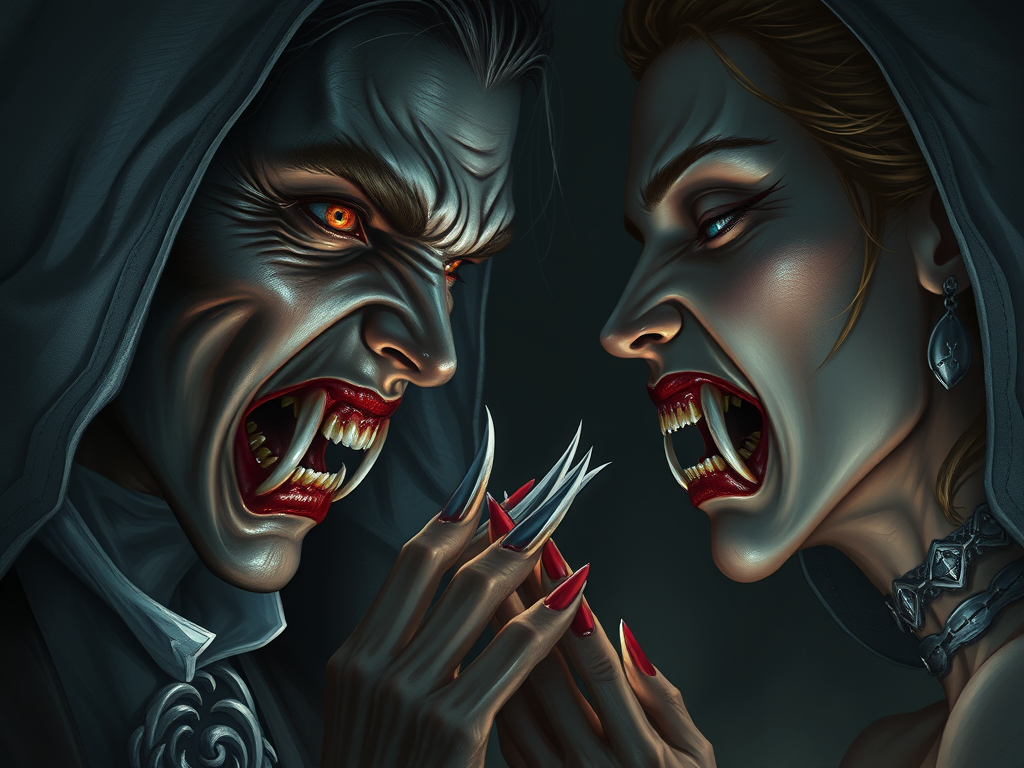
Random Villain List – Earthquake Vampire Siren Tornado Water Elemental Siren Gas Leak Shark Ghost Skeleton Forest Fire Gang Banshee Cult Leader Tornado Skeleton Tyrannical King Unstable Future Tech Riot Necromancer
Descriptive Writing Amps
[smooth, kinetic, monumental] fight amplified
[light green, brilliant, vibrant] aluminum bent
[soft, brilliant, saturated] earthquake communicated
[brilliant, microscopic, brilliant] lake evaded
[minuscule, brilliant, efficient] neutron star relayed
[joyful, sour, microscopic] cream opened
[happy, green, daunting] mountain bent
[cyan, fluffy, important] hyena evoked
[brown, sky blue, white] monster provided
[sky blue, monumental, angry] neutron radiated
Random Hero – Wizard
And But Therefore Event Sets
[Hero] gets in supercar but they are delayed therefore they travel to a new area
[Hero] is Inspired and Encouraged by [side character] but [monster] shows up therefore they fight the [monster]
[Hero] gets in spaceship but [Side character] shows up therefore they seek assistance with [side character]
[Hero] is attacked by [Monster] but [monster] challenges [Hero] with hurtful scary words therefore they travel to a new area
fight a [monster] but they get there early therefore they fight the [monster]
diffuse a bomb but it rains therefore they fight the [monster]
Dramatic Dialogue with subtext but [Side character] shows up therefore they fight the [monster]
[Hero] gets in bus but [monster] challenges [Hero] with hurtful scary words therefore they fight the [monster]
[Hero] gets in jet but they get there early therefore they seek assistance with [side character]
[Hero] gets in spaceship but it rains therefore they seek assistance with [side character]





 My Tech Blog